
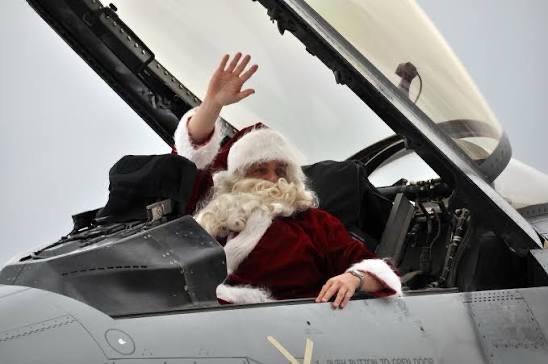
Members of the U.S. military reportedly expressed deep frustration this Christmas after discovering that global conflict does not, in fact, observe federal holidays.
“I just think it’s unreasonable,” said one exhausted service member, speaking from an undisclosed location after completing an airstrike on ISIS targets in Nigeria at approximately 6:14 a.m. local time. “Blowing stuff up is fun—don’t get me wrong—but it’s only fun during normal business hours. Once you cross into Christmas morning, it starts to feel like unpaid labor.”
According to sources, morale dipped sharply when troops realized the enemy had not filed the proper holiday observance paperwork and continued operating as usual.
“We assumed ISIS would take Christmas off,” said another service member. “I mean, we do diversity training. We’re respectful. The least they could do is stop being a global terror organization for 24 hours.”
Instead, pilots were forced to scramble out of bed before sunrise, missing stocking stuffers, powdered eggs, and the traditional awkward Zoom call with relatives asking, “So… are you allowed to say where you are?”
Pentagon officials confirmed that while service members are technically salaried, they do not receive overtime pay, holiday pay, or “Sorry You Missed Christmas Because You Were Neutralizing Extremists” bonuses.
“That’s the real sting,” one pilot explained. “If I blow up a target on a Tuesday at 10 a.m., it’s a good day at work. If I blow up the exact same target on Christmas morning, suddenly it’s a whole thing. Same explosion. Totally different vibes.”
Meanwhile, troops reported receiving automated holiday emails thanking them for their service—sent at precisely the moment they were actively engaged in combat operations.
“I got an email that said ‘Enjoy the holiday season with loved ones,’” said one soldier. “I was in a headset coordinating an airstrike. But thanks for the thought.”
Defense analysts say the incident highlights a growing tension between modern warfare and work-life balance.
“We’ve made strides in mental health awareness,” said one expert. “But we still haven’t solved the core issue: wars are wildly inconsiderate of personal calendars.”
At press time, military leadership was reportedly considering new rules requiring adversaries to observe U.S. holidays, or at least reschedule hostilities to weekdays between 9 and 5.
“Look, we’ll still do the job,” one service member said while packing away a Santa hat. “We just think if the world insists on having conflicts on Christmas, the least it could do is offer time-and-a-half—or maybe let us blow things up from home.”

 Political Party Animals