The legal earthquake nobody saw coming might just start with three letters: ABA.
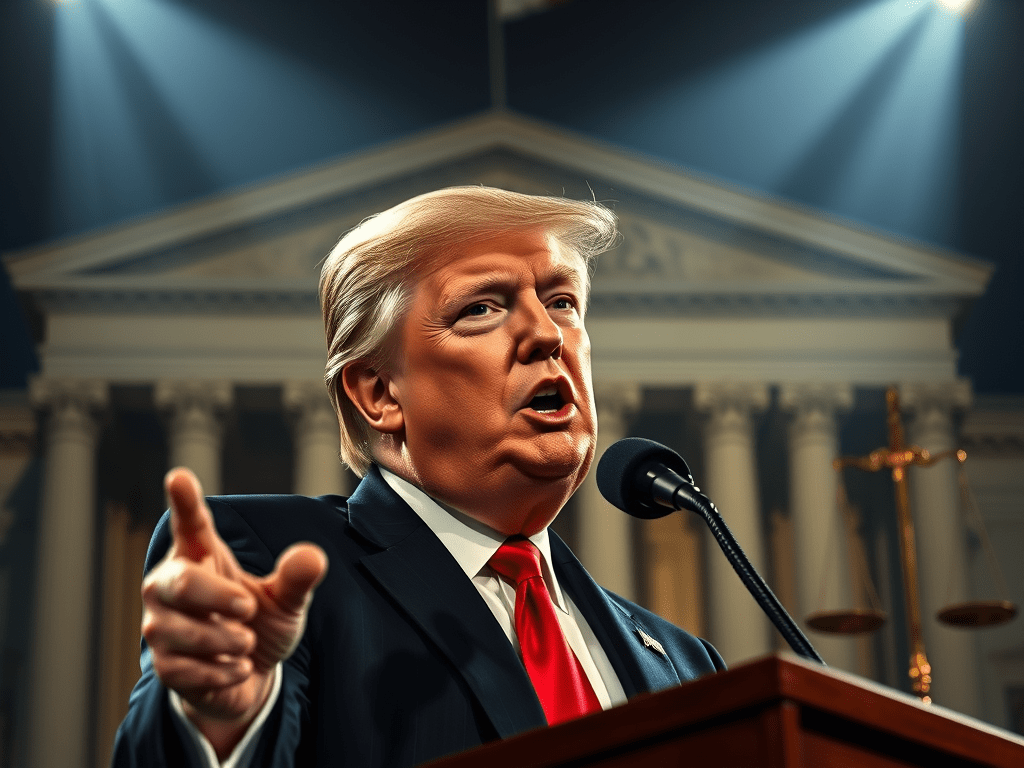
In a bold and unprecedented move, President Donald Trump has launched rhetorical—and possibly political—attacks on the American Bar Association (ABA), accusing it of being corrupt, politically biased, and complicit in the deterioration of the American justice system. Whether you love or loathe Trump, one thing is clear: this move could send shockwaves through the entire legal and judicial establishment.
But why the ABA? Why now? And what could this mean for the millions of Americans who feel like the justice system has stopped working for them?
Let’s unpack it.
Why Trump Is Going After the ABA
Trump has always viewed the legal establishment as part of the so-called “deep state”—a tangled network of unelected elites who pull the strings behind the scenes. But lately, his criticism has zeroed in on the ABA specifically. His grievances?
- Judicial recommendations: The ABA plays a significant role in rating federal judges. Trump has accused the ABA of smearing his nominees with politically motivated “not qualified” ratings.
- Bar discipline and bias: Trump and his allies believe the ABA has not taken disciplinary action against politically motivated lawyers who pursued what they call “witch hunts” against him—while targeting conservative or pro-Trump attorneys with aggressive sanctions.
- Legal monopolies: Many have long criticized the ABA for gatekeeping access to the legal profession, favoring elite law schools, and creating barriers for average Americans to obtain affordable legal help. Trump, echoing populist concerns, seems to be tapping into that frustration.
It’s not just about revenge. It’s about dismantling what Trump sees as an out-of-touch, self-regulating, politically captured machine that has failed the American people.
What Has the ABA Done—Or Failed to Do?
Let’s be real: the ABA is no stranger to controversy.
- Lack of oversight: Critics argue that the ABA has failed to meaningfully discipline unethical attorneys and judges, especially in politically sensitive cases.
- Lack of reform: For decades, the ABA has resisted meaningful legal reforms, including opening legal services to non-lawyers, supporting more transparency in family courts, or pushing for alternatives to expensive litigation.
- Entrenchment: The ABA often operates more like a club for the privileged than a public watchdog. Its influence over licensing, law school accreditation, and judicial nominations means it has a stranglehold over who can access legal power—and who cannot.
If you’re an everyday parent, small business owner, or wrongfully accused individual struggling to navigate the system without $50,000 for a lawyer, the ABA has done very little for you.
What Will Happen If Trump Follows Through?
Trump doesn’t need to win a courtroom battle with the ABA. All he needs is to shine a light.
Expect to see:
- Investigations: Congressional hearings or Republican-led inquiries into the ABA’s role in judicial appointments and bar oversight.
- Licensing reform: Pushes to end the ABA’s monopoly over law school accreditation or to allow alternative paths to becoming a lawyer.
- Populist legal reform movements: The rhetoric will embolden those who want family court reform, pro se litigant rights, or independent judicial oversight bodies.
And since Trump has retaken the White House—with Republican governors and attorneys general increasingly joining the cause—you will probably see more executive orders or legislation directly undermining the ABA’s influence.
What This Says About America’s Broken Justice System
Let’s be honest: millions of Americans already believe the system is rigged.
- Family court victims feel unheard and unprotected.
- Fathers, veterans, disabled litigants, and lower-income families are routinely steamrolled.
- False accusations and legal loopholes are weaponized while real abuse is ignored.
- The court process is unaffordable, unaccountable, and opaque.
The ABA, rightly or wrongly, is seen as one of the key gatekeepers of this broken machine. Trump’s targeting of it could open the floodgates for broader reform conversations—conversations long overdue.
What’s Next? Will Trump Target the Family Courts?
He should—and someone needs to.
Family courts are among the most secretive and least accountable branches of the judiciary. They often operate behind closed doors, with no jury, no public oversight, and judges who are immune to most forms of accountability. Add in court-appointed professionals profiting from conflict, and you’ve got a system ripe for abuse.
If Trump truly wants to appeal to disillusioned parents across political lines, especially fathers and marginalized families, targeting family court corruption would be a bombshell move. And it wouldn’t just be about politics—it would be about justice.
Final Thoughts: The System Was Built This Way. Now It’s Time to Rebuild.
Trump’s war with the ABA may seem like just another skirmish in the culture war, but for many Americans, it touches a deeper nerve. It’s not just about bar associations, courtrooms, or lawyer cliques. It’s about power. And for too long, the American legal system has wielded that power against the people it was supposed to serve.
Whether Trump is the right messenger or not, the message is resonating: We need a justice system that works for the people—not just for the privileged.
And if the ABA stands in the way of that?
Then maybe it’s time to tear it all down and start again.

 Political Party Animals